

What is obesity?
Obesity is a chronic, relapsing disease characterised by excess body fat that harms health. According to the World Health Organization (WHO), it is diagnosed at a body mass index of 30 kg/m² or higher. Obesity is not a matter of willpower or appearance: it is a disorder of appetite regulation, metabolism and hormones that raises the risk of type 2 diabetes, cardiovascular disease and certain cancers, and shortens life expectancy. Modern medicine treats obesity as a disease that requires systematic management — a combination of nutrition, physical activity and, when needed, medical therapy under a physician's supervision. Early intervention lowers the risk of complications and helps achieve lasting results.
Obesity code in ICD-10 and ICD-11
In the International Classification of Diseases, obesity is coded E66 (ICD-10): E66.0 — due to excess calories, E66.8 — other forms, E66.9 — unspecified. In the new ICD-11 obesity is coded as 5B81.
ICD-10: obesity codes E66.0–E66.9
In the International Classification of Diseases (ICD-10), obesity is coded under the E66 block. The code in a diagnosis specifies the cause and severity — from dietary to morbid.
| Code | Meaning |
|---|---|
| E66.0 | Obesity due to excess calories (dietary / constitutional, from overeating) |
| E66.1 | Drug-induced obesity |
| E66.2 | Severe (morbid) obesity with alveolar hypoventilation — Pickwickian syndrome |
| E66.8 | Other obesity, including morbid obesity (BMI ≥40) |
| E66.9 | Obesity, unspecified |
ICD-11 (in force since 2022) uses code 5B81. The exact diagnostic code is set by a doctor based on BMI, cause and comorbidities.
Obesity classes and health risks
The WHO classification by body mass index. Each class represents a different level of health risk, not just a number on the scale.
Class 1 obesity
Moderately increased risk of type 2 diabetes and hypertension. At this stage, lifestyle change and modern medications deliver the best results.
Class 2 obesity
High risk of metabolic and cardiovascular complications. Medical support is usually needed alongside dietary change.
Class 3 obesity (morbid)
Very high risk to life and health. Morbid obesity often requires intensive treatment — GLP-1 medications or bariatric surgery.
Want to know your class? Calculate your body mass index from your height and weight.
📊 BMI calculatorTypes of obesity
It matters not only how much fat there is, but where it accumulates — this determines the health risk.
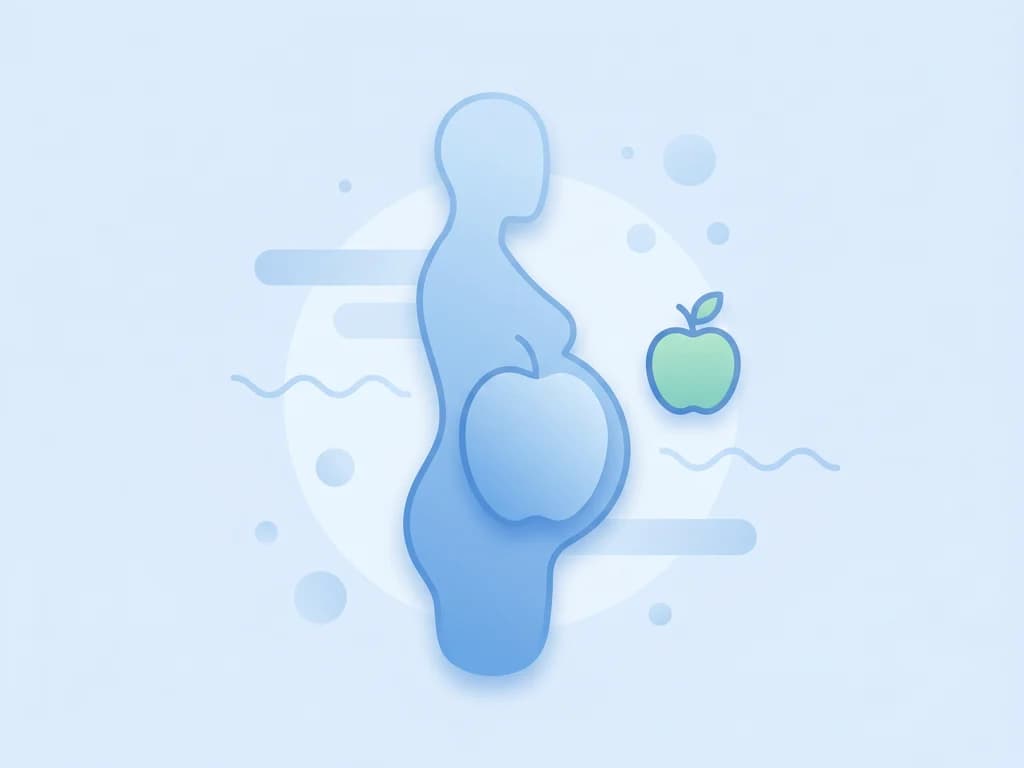
🍎 Abdominal obesity
Fat builds up around the belly and waist (the "apple" shape). It is the most dangerous type — closely linked to diabetes and heart disease. Risk threshold: waist over 94 cm in men and over 80 cm in women.
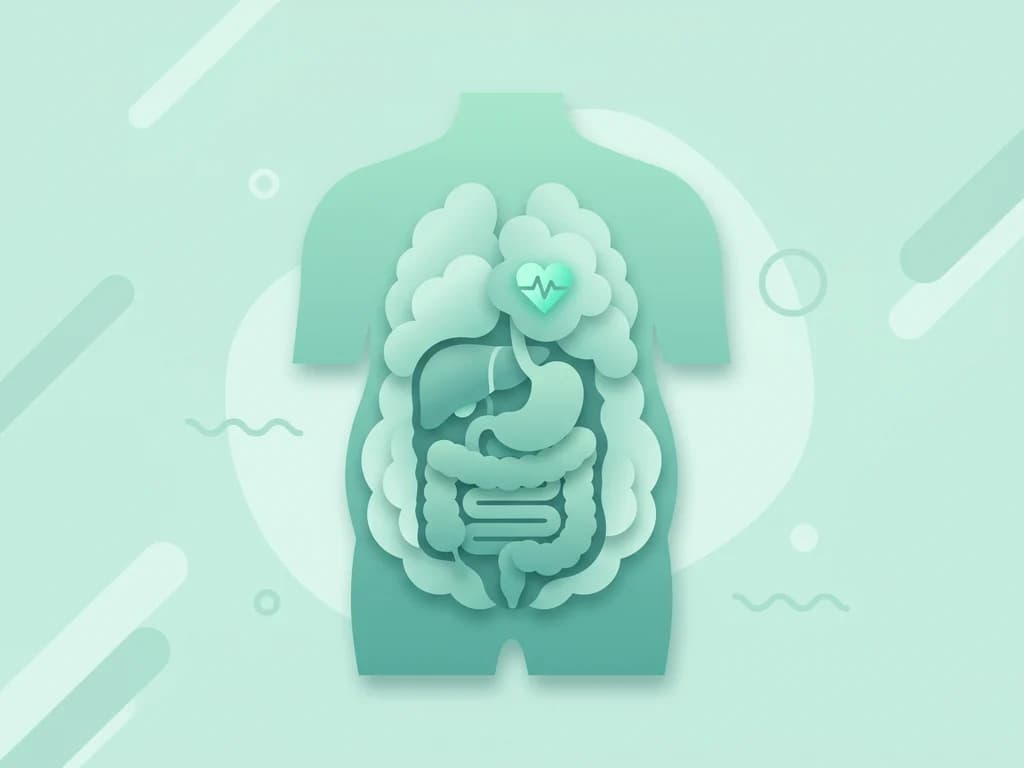
🫀 Visceral obesity
Fat surrounds the internal organs in the abdominal cavity. It is metabolically active: it releases inflammatory substances that disrupt glucose metabolism and raise the risk of metabolic syndrome.
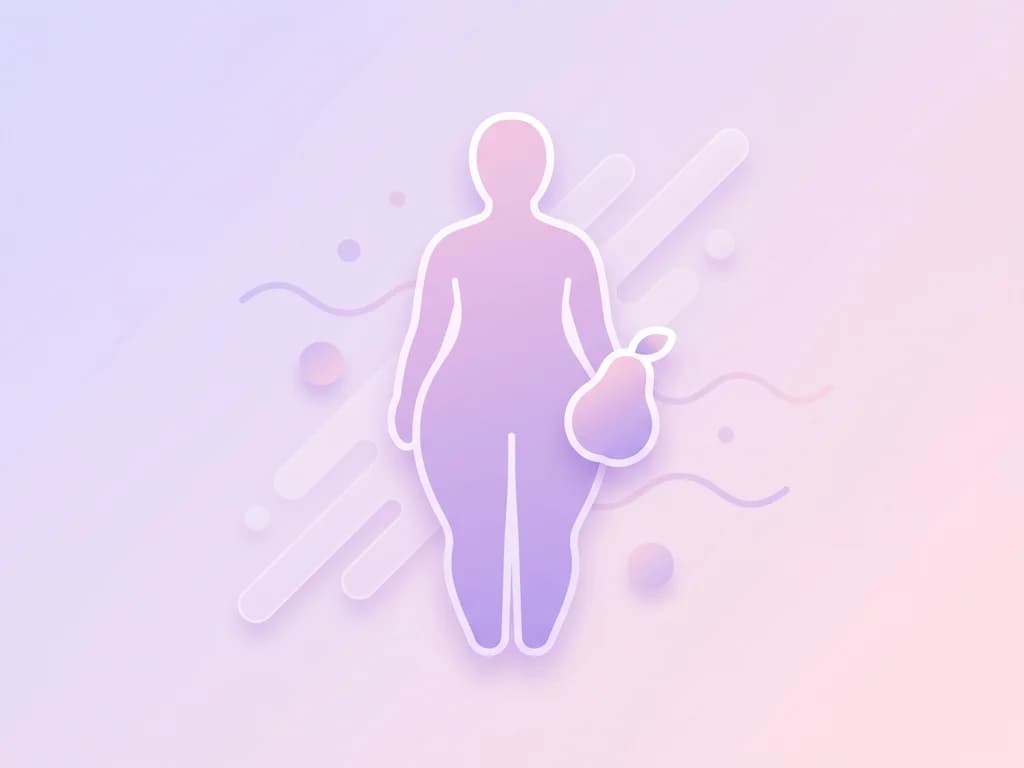
🍐 Gynoid obesity
Fat is stored on the hips and buttocks (the "pear" shape). It is metabolically less dangerous and more common in women.
There is also a mixed type of obesity — fat distributed evenly across the body, seen in people of both sexes.
Symptoms of obesity
Obesity shows up not only externally — there are characteristic signs that affect daily wellbeing.
Causes of obesity
In most cases obesity results from a combination of several factors, which is why treatment must be comprehensive.
How obesity is diagnosed
A doctor makes the diagnosis based on simple measurements and, if needed, laboratory tests.
- ✓Body mass index — obesity from a BMI of 30 kg/m²
- ✓Waist circumference: over 94 cm in men and over 80 cm in women
- ✓Waist-to-hip ratio — assessing visceral fat
- ✓Basic tests: glucose, lipid profile, thyroid hormones
The first step is to find out your body mass index.
📊 BMI calculatorHealth consequences of obesity
Obesity raises the risk of more than 200 conditions. The most important are:
- ⚠️Type 2 diabetes
- ⚠️Hypertension and heart attack
- ⚠️Fatty liver disease (steatosis)
- ⚠️Sleep apnoea and shortness of breath
- ⚠️Osteoarthritis and joint pain
- ⚠️Certain cancers
The good news: even a 5–10% weight loss significantly reduces these risks.
The combination of abdominal obesity with high blood pressure, glucose and cholesterol is called metabolic syndrome — it especially raises the risk of type 2 diabetes and heart attack.
Features of obesity
Obesity presents differently depending on sex and age — so the approach should be individual.
Obesity in women
More often the gynoid type (hips, buttocks), linked to estrogens. A common cause is hormonal change: pregnancy, menopause, PCOS. After menopause the share of abdominal fat increases.
Obesity in men
Predominantly the abdominal type (belly). It raises the risk of diabetes and cardiovascular disease and lowers testosterone.
Obesity in children and teens
Linked to diet, activity and heredity. BMI is assessed using age percentiles rather than the adult scale — a doctor's consultation is needed.
Not sure what your degree and health risk are? A DOZA specialist will assess your situation for free and tailor an approach just for you.
Free consultationObesity treatment: doctor supervision, not just a drug
Lifestyle and modern GLP-1 medications work when a doctor selects and manages the dose. We guide you to the result — and help you keep the weight off.
Obesity Treatment: Step-by-Step Algorithm
The modern obesity treatment protocol is stepwise: each next step is added when the previous one is not enough.
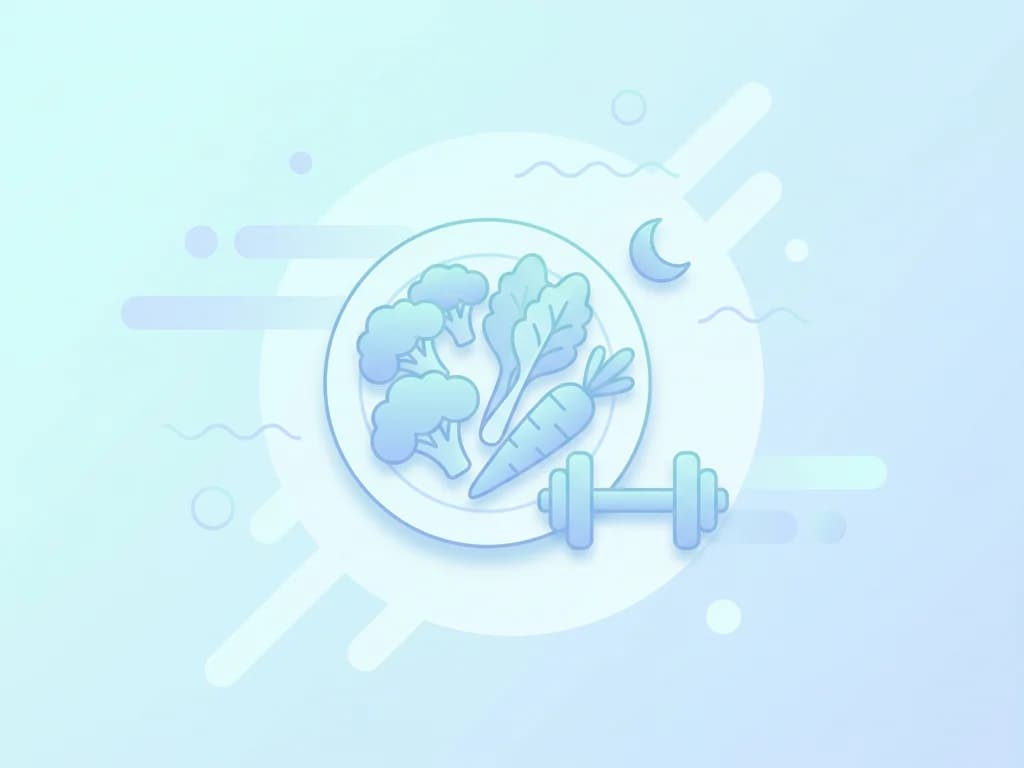
- 1Step 1 — lifestyle: 10–25% calorie deficit, protein 1.6–2.2 g/kg, 150+ minutes of activity per week, 7–9 hours of sleep. The base for all obesity classes.
- 2Step 2 — GLP-1 pharmacotherapy: added at BMI ≥30, or ≥27 with comorbidities (type 2 diabetes, hypertension). Tirzepatide shows 15–21% weight loss over 72 weeks in the SURMOUNT trials.
- 3Step 3 — bariatric surgery: considered at BMI ≥40 (or ≥35 with complications) when conservative methods have failed.
Every step needs medical supervision: lab monitoring, dose adjustment, habit work. That is exactly what the DOZA programme provides.
Lifestyle
A balanced calorie-deficit diet, physical activity, quality sleep and stress management are the foundation of treatment at any class.
GLP-1 medical therapy
Modern medications (Mounjaro, Ozempic, Retatrutide) act on appetite centres and help reduce 15–25% of body weight. Prescribed by a physician at BMI ≥ 30 (or ≥ 27 with complications).
Weight loss injections →
Supervised programme
Combining medication, a nutrition plan and physician support delivers lasting results and lowers the risk of weight regain.
Weight-loss programme →Why you should not treat obesity on your own
Obesity is a chronic disease. A drug on its own, without supervision, brings less result and more risk. The value is in the doctor's guidance, not in the injection itself.
⚠️On your own, from the internet
- ✕Dose chosen at random — weak effect or strong side effects
- ✕Unmanaged side effects (nausea, GI) → giving up early
- ✕Risk of fakes and a broken cold chain from the grey market
- ✕After stopping, the weight often comes back
🩺Under DOZA supervision
- ✓A doctor selects and gradually titrates the dose to your condition
- ✓Gentle start and side-effect management — no drop-outs
- ✓Original medication + cold chain 2–8 °C
- ✓Guidance to the result and keeping the weight off after the course
You are paying not for a drug, but for a result under specialist control.
Results under specialist supervision
FAQ
Frequently asked questions about obesity
Ready to start treating obesity?
Free consultation: we'll tailor the approach to your class and health status.
We reply within 10 minutes during business hours


