Key takeaway
Оземпік (Ozempic) FlexTouch застосовується 1 раз на тиждень підшкірно. Стартова доза — 0.25 мг протягом 4 тижнів, потім 0.5 мг. Зберігати в холодильнику 2–8°C. Інструкція: зняти ковпачок, встановити голку, набрати дозу, зробити ін'єкцію.
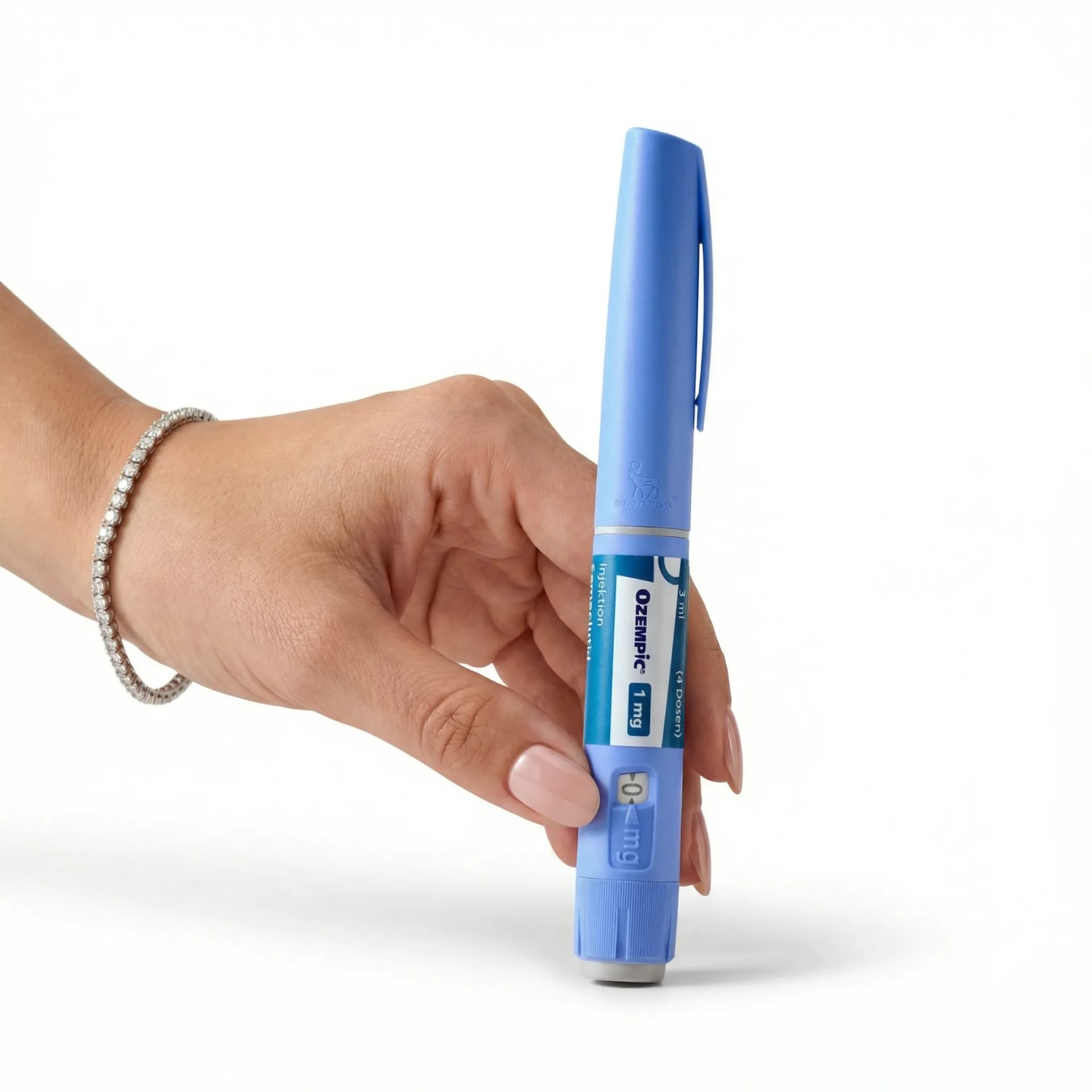
Instructions Ozempic (Ozempic)
Composition, indications, contraindications, dosing 0.25–2 mg, injection technique, side effects, drug interactions, and storage. Based on the official Novo Nordisk prescribing information.
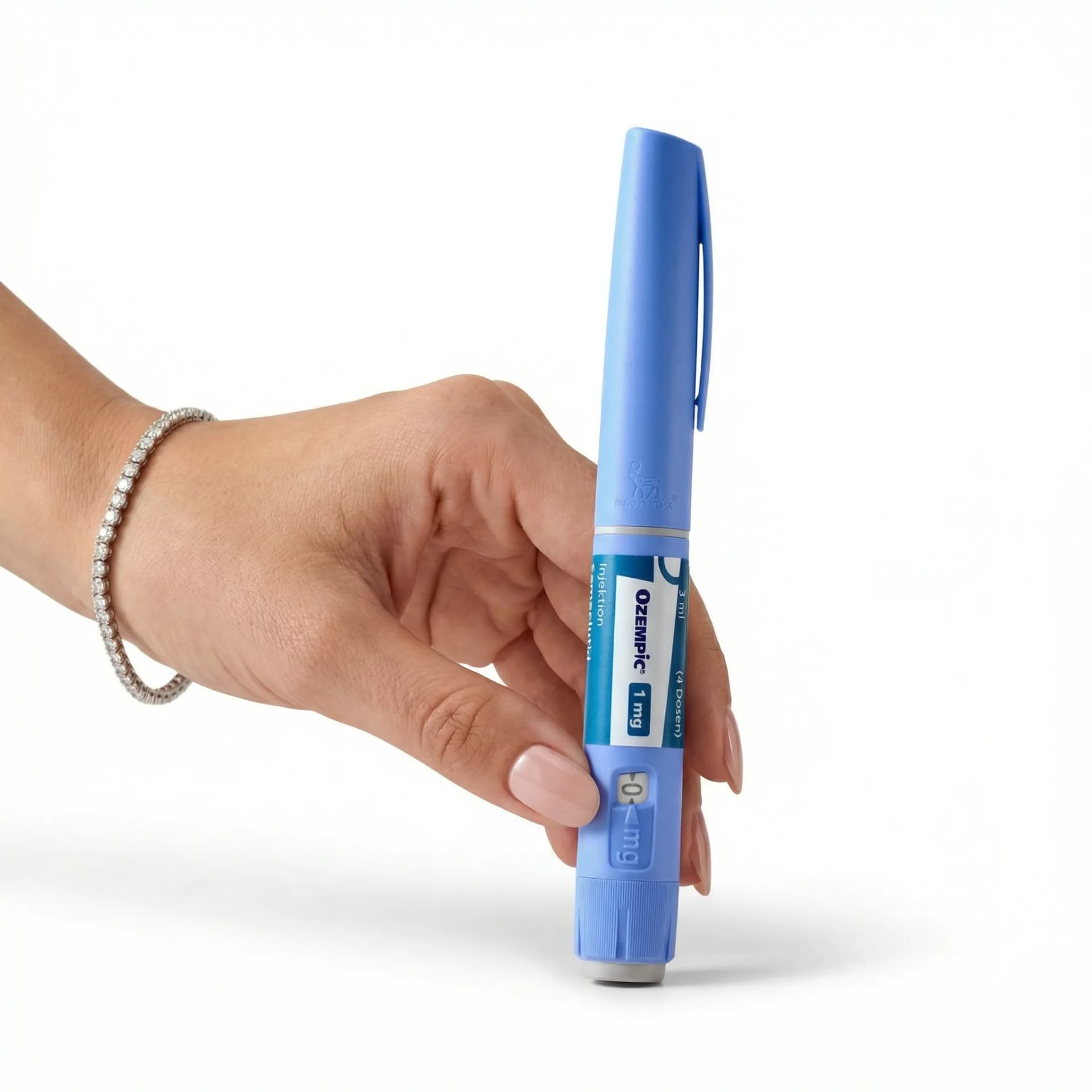
What is Ozempic (Ozempic)
Composition, active ingredient, and dosage form
Active Ingredient
Semaglutide — an analog of human glucagon-like peptide-1 (GLP-1) with 94% homology to native GLP-1. The peptide backbone is produced by yeast fermentation.
Composition & Form
Ozempic® — a sterile, clear, colorless solution for subcutaneous injection in pre-filled, single-patient-use pens.
Disodium phosphate dihydrate (1.42 mg), propylene glycol (14 mg), phenol (5.5 mg), water for injections. pH ≈ 7.4.
Clear, colorless solution. Do not use if the solution is cloudy, discolored, or contains visible particles.
FDA (USA) — 2017. Registered in Ukraine.
Indications for Ozempic (Ozempic)
Ozempic is indicated for adult patients with the following conditions
Type 2 Diabetes Mellitus
As an adjunct to diet and exercise to improve glycemic control in adults with type 2 diabetes mellitus.

Cardiovascular Risk
To reduce the risk of major adverse cardiovascular events (cardiovascular death, non-fatal myocardial infarction, or non-fatal stroke) in adults with T2DM and established cardiovascular disease.
Chronic Kidney Disease
To reduce the risk of sustained eGFR decline, end-stage kidney disease, and cardiovascular death in adults with T2DM and chronic kidney disease.
Contraindications for Ozempic
Ozempic is contraindicated in the following cases
Medullary Thyroid Carcinoma
Personal or family history of medullary thyroid carcinoma (MTC) or Multiple Endocrine Neoplasia syndrome type 2 (MEN 2).
Hypersensitivity
Serious hypersensitivity reaction to semaglutide or any of the excipients in Ozempic. Reported serious reactions include anaphylaxis and angioedema.
Dosing & Schedule Ozempic (Ozempic)
Dose is escalated gradually to minimize GI side effects
Adaptation dose. The body adjusts to semaglutide. Not a therapeutic dose.
First maintenance dose. The main therapeutic effect begins.
Increased maintenance dose. Min. 4 weeks on 0.5 mg before escalation.
Maximum recommended dose. Min. 4 weeks on 1 mg before escalation.
Important Administration Rules
Administer once weekly, preferably on the same day each week
Injection can be given at any time of day, regardless of meals
Never administer a double dose, even if you missed one
Dose escalation — only as recommended by a specialist
The injection day can be changed if ≥2 days (>48 h) between doses
A missed dose can be given within 5 days. If >5 days — skip it
For patients with T2DM and chronic kidney disease: maintenance dose is 1 mg weekly (increase after min. 4 weeks on 0.5 mg).
Dosage Forms Ozempic (Ozempic)
Three pre-filled, single-use pens

| Dose per injection | Total volume | Concentration | Pen type |
|---|---|---|---|
| 0.25 мг / 0.5 мг | 2 мг / 3 мл | 0.68 мг/мл | FlexTouch® |
| 1 мг | 4 мг / 3 мл | 1.34 мг/мл | FlexTouch® |
| 2 мг | 8 мг / 3 мл | 2.68 мг/мл | FlexTouch® |
Injection Preparation Ozempic (Ozempic)
Before each injection, follow these steps for safe and proper administration
Wash your hands
Thoroughly wash your hands with soap and water. This minimizes the risk of infection at the injection site.
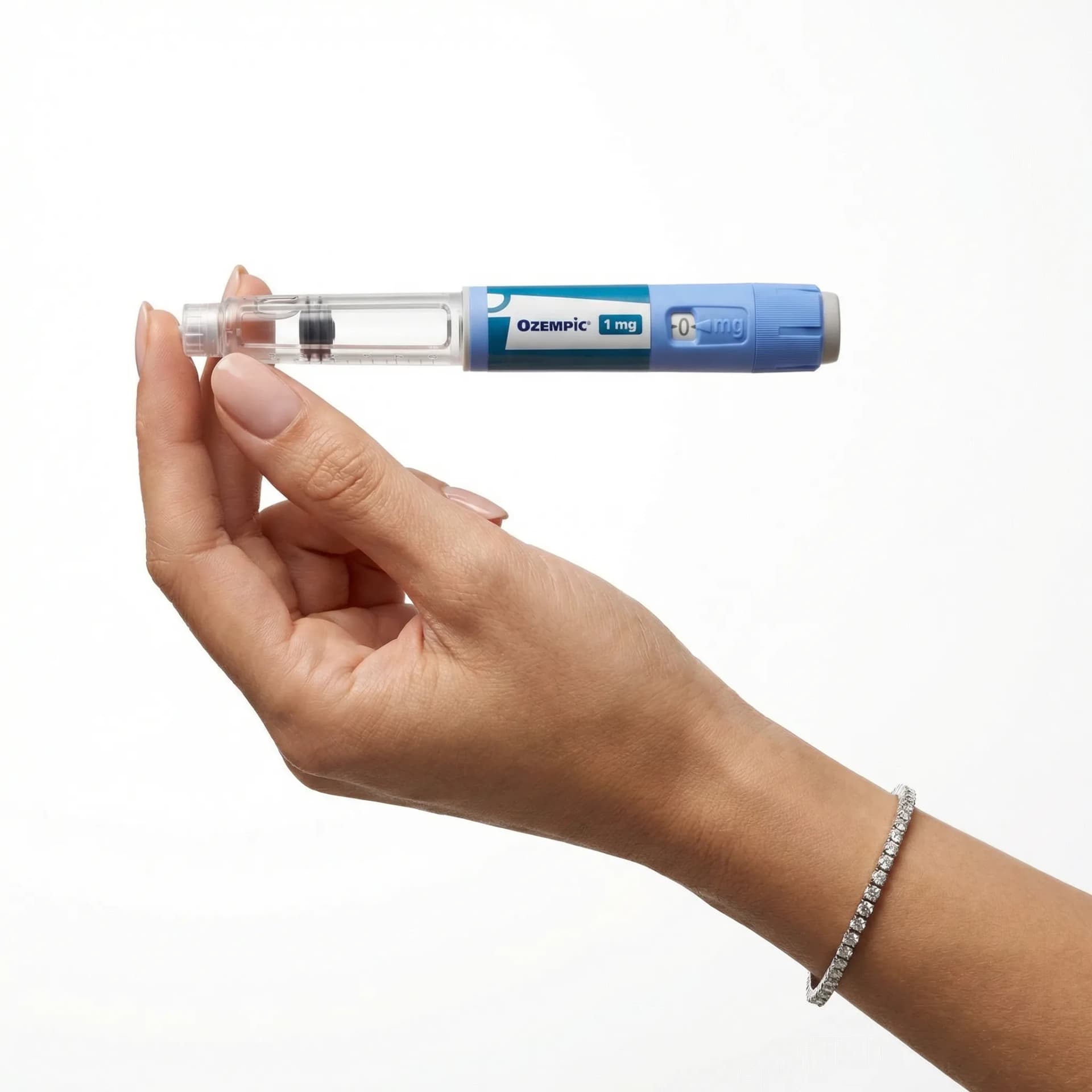
Check the pen
Check the name, dose, and expiry date on the label. The liquid should be clear and colorless. Do not use a cloudy or discolored solution.
Remove in advance
If the pen was stored in the refrigerator — remove it 30 minutes before injection. Injecting cold solution may be more uncomfortable.
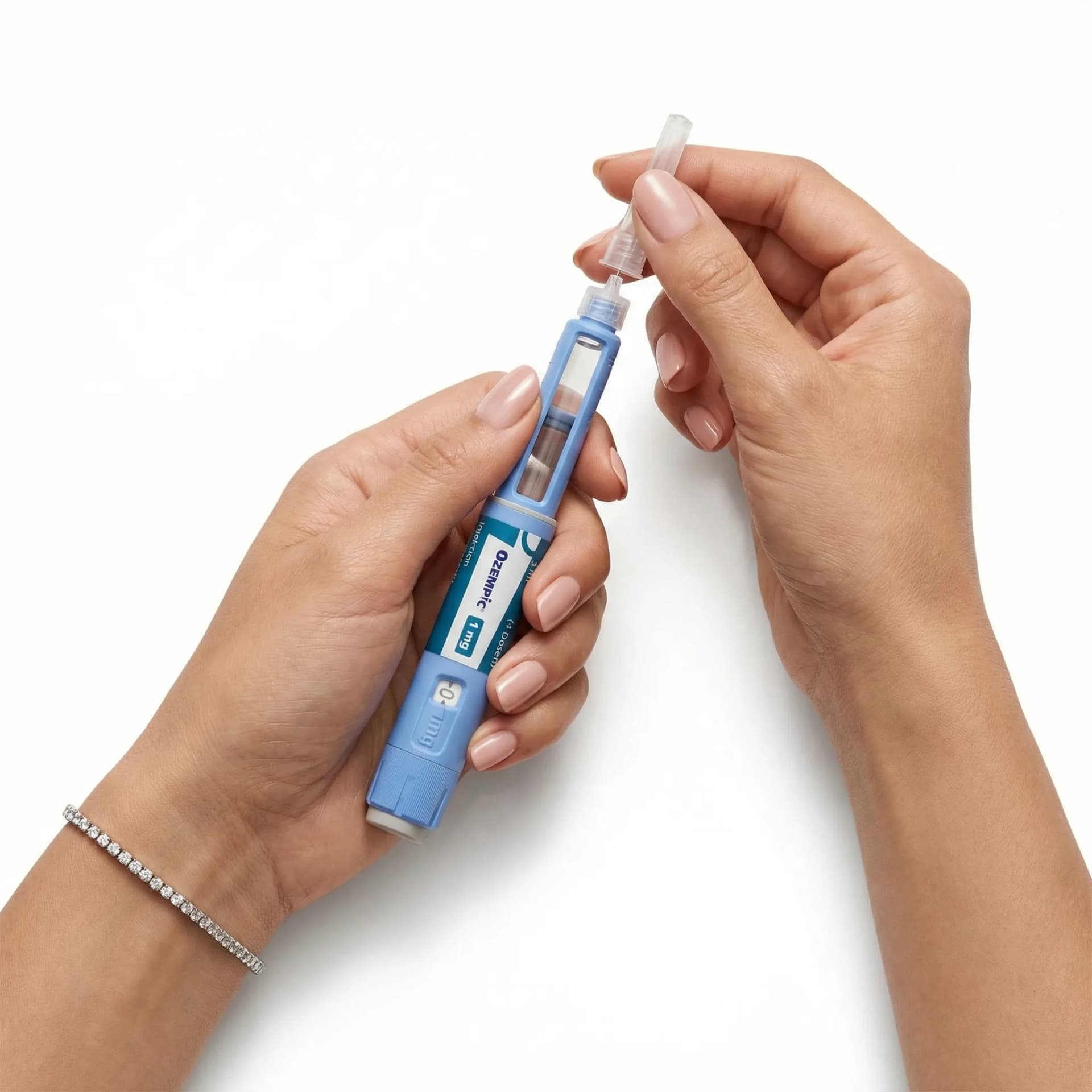
Attach a new needle
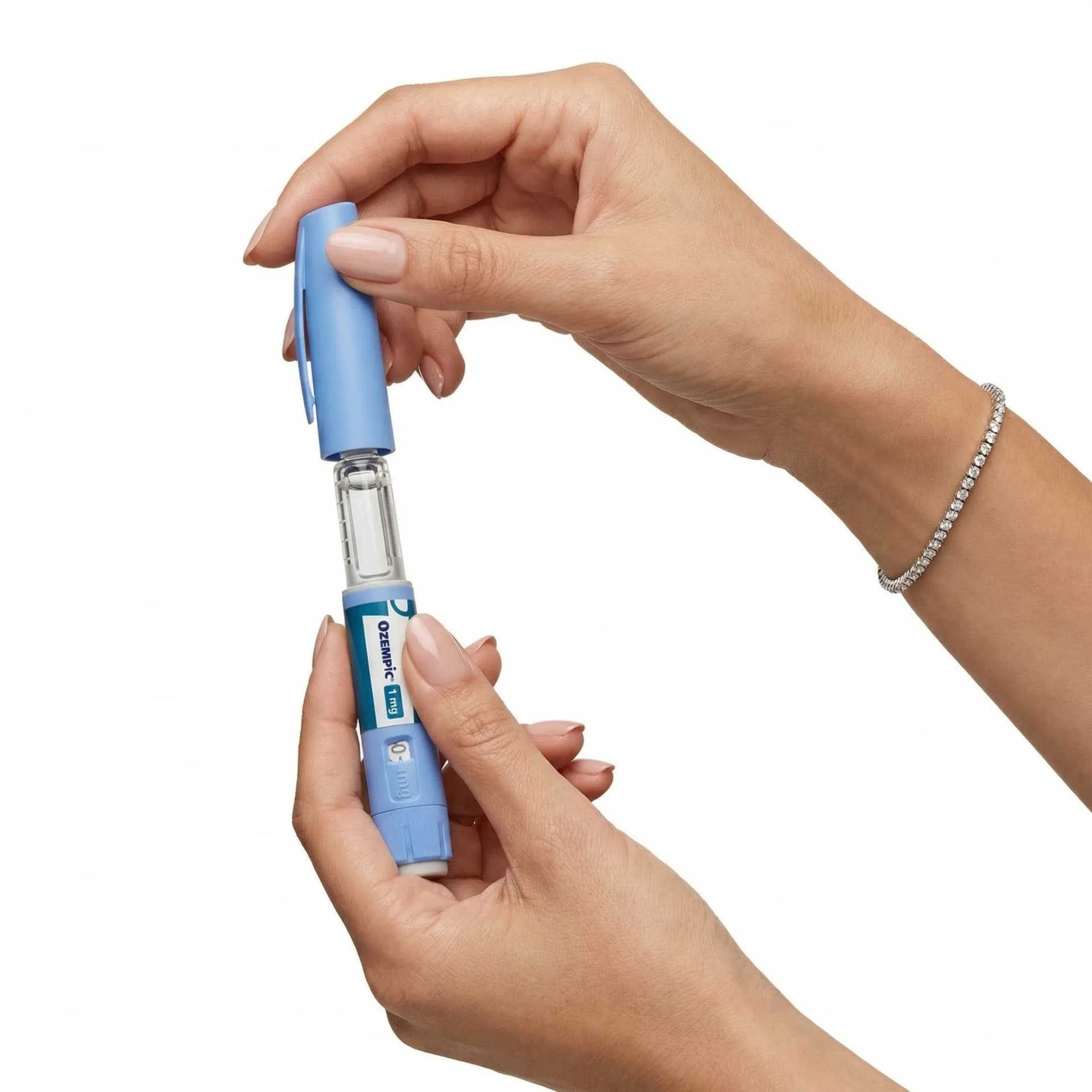
Remove the pen cap. Wipe the rubber membrane with a swab. Attach a new NovoFine® needle and screw on firmly.
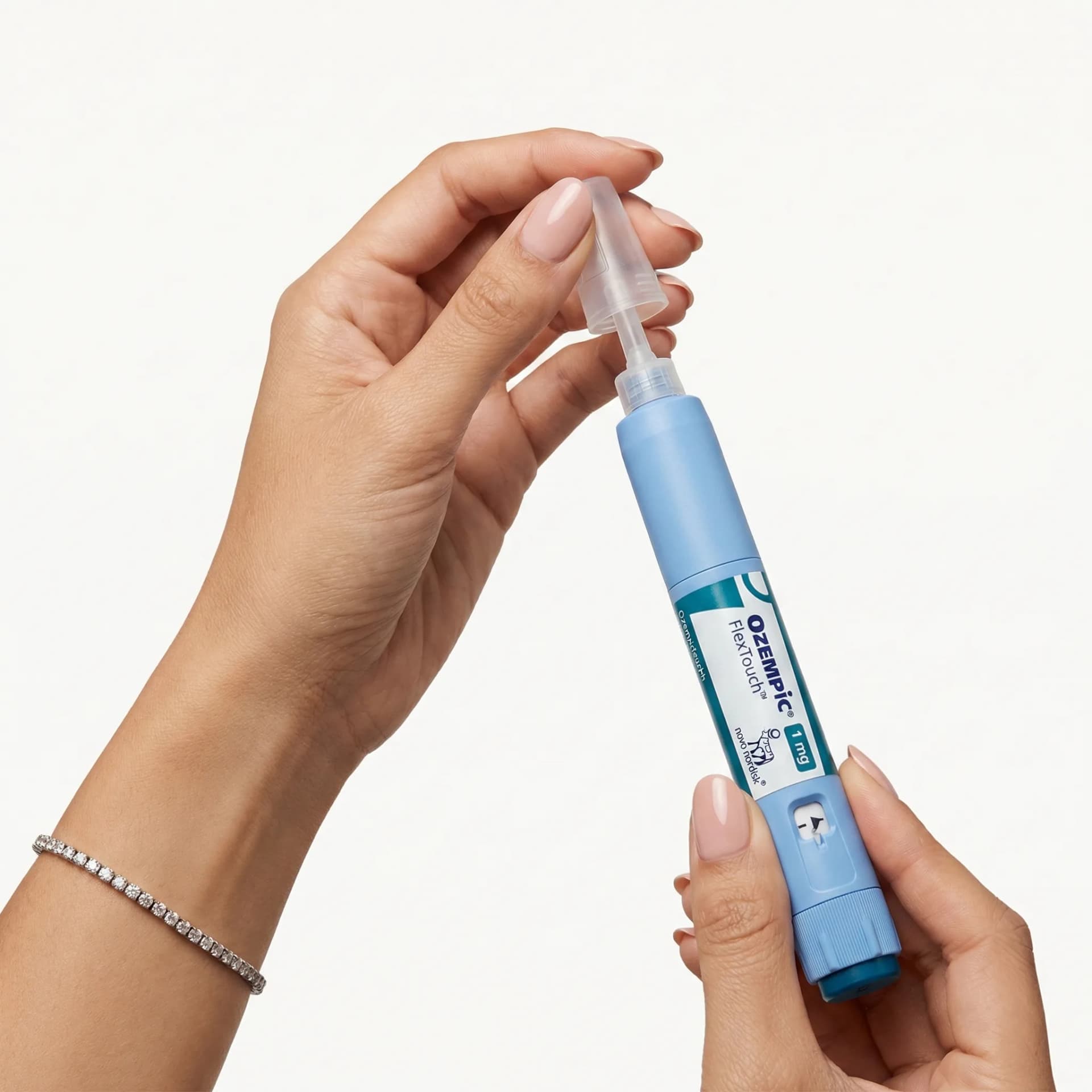
Remove needle caps
Remove the outer cap (keep for disposal), then the inner cap. A drop may appear at the tip — this is normal.
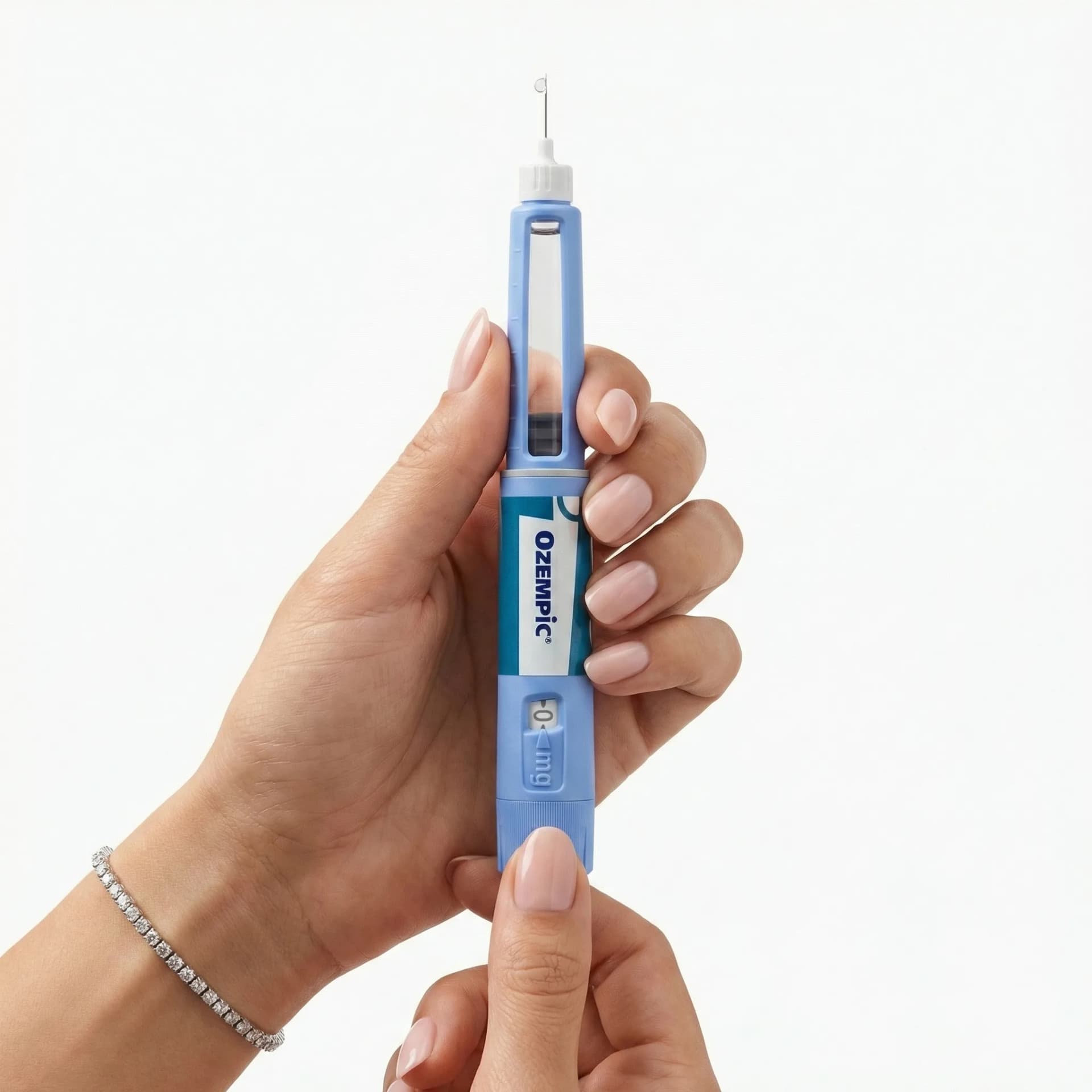
Check the flow
Only for first use of a new pen: set the flow check symbol, press the button — a drop should appear at the needle tip.
How to Inject Ozempic (Ozempic)
5 simple steps for proper semaglutide administration
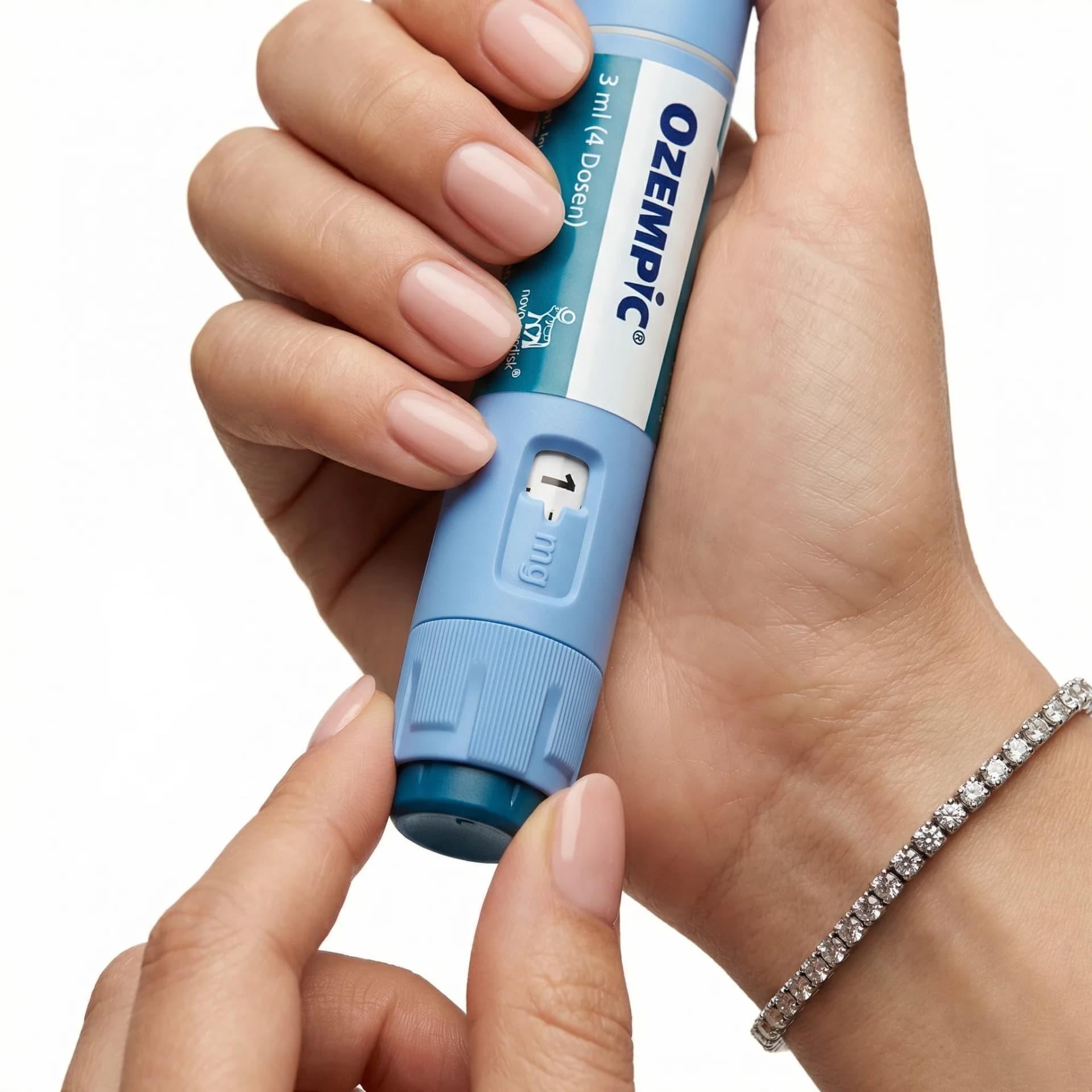
Set the required dose
Turn the dose selector to the required value. The dose counter shows the selected dose (0.25, 0.5, 1, or 2 mg). You will hear clicks as you turn.
Tip: If you accidentally set a higher dose — turn the selector back. Do not try to press the injection button.

Choose and prepare the site
Choose the injection zone: abdomen, thigh, or upper arm. Wipe the injection site with an alcohol swab and let it dry. Rotate sites each week.
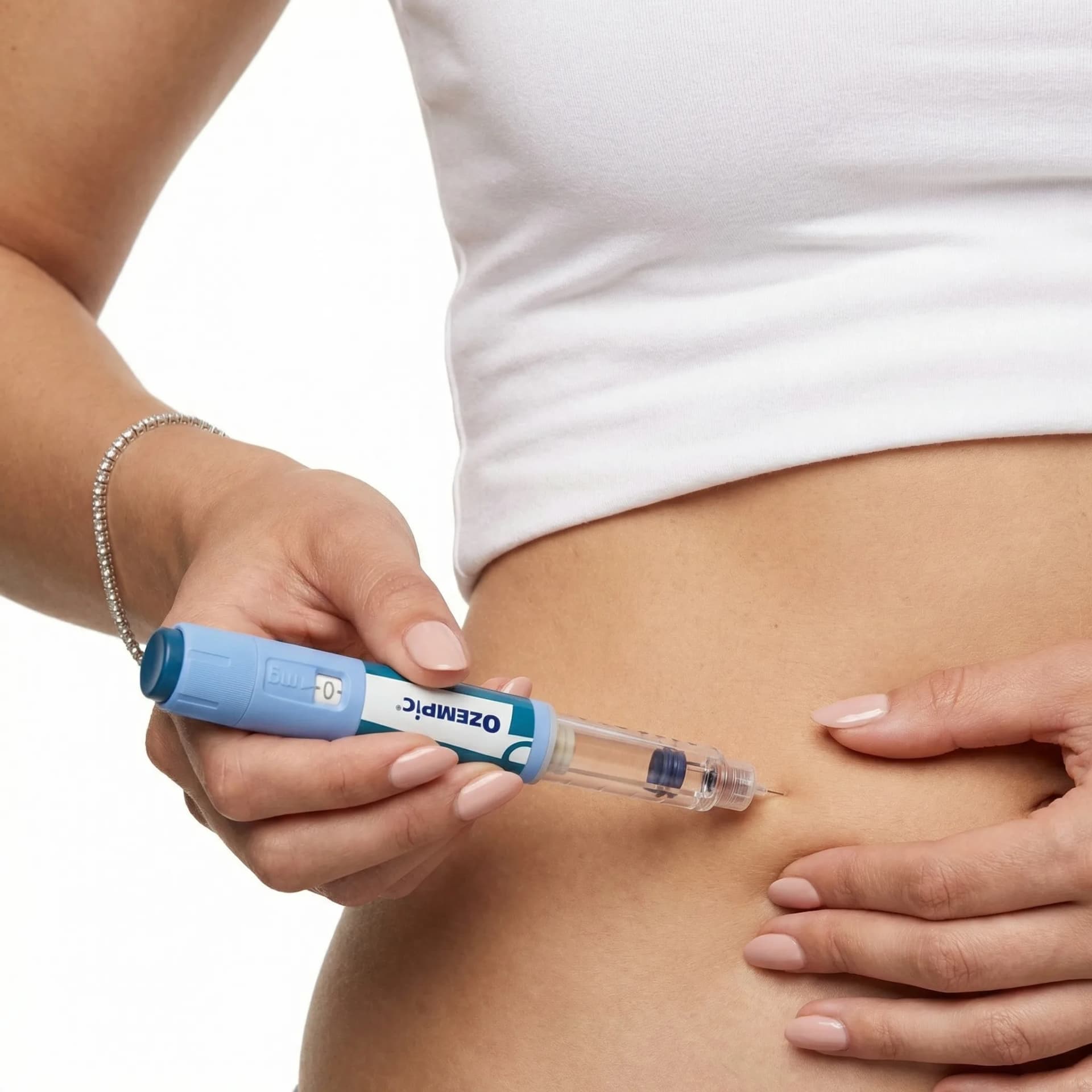
Insert the needle into the skin
Insert the needle at a 90° angle in one confident motion. Make sure you can see the dose counter.
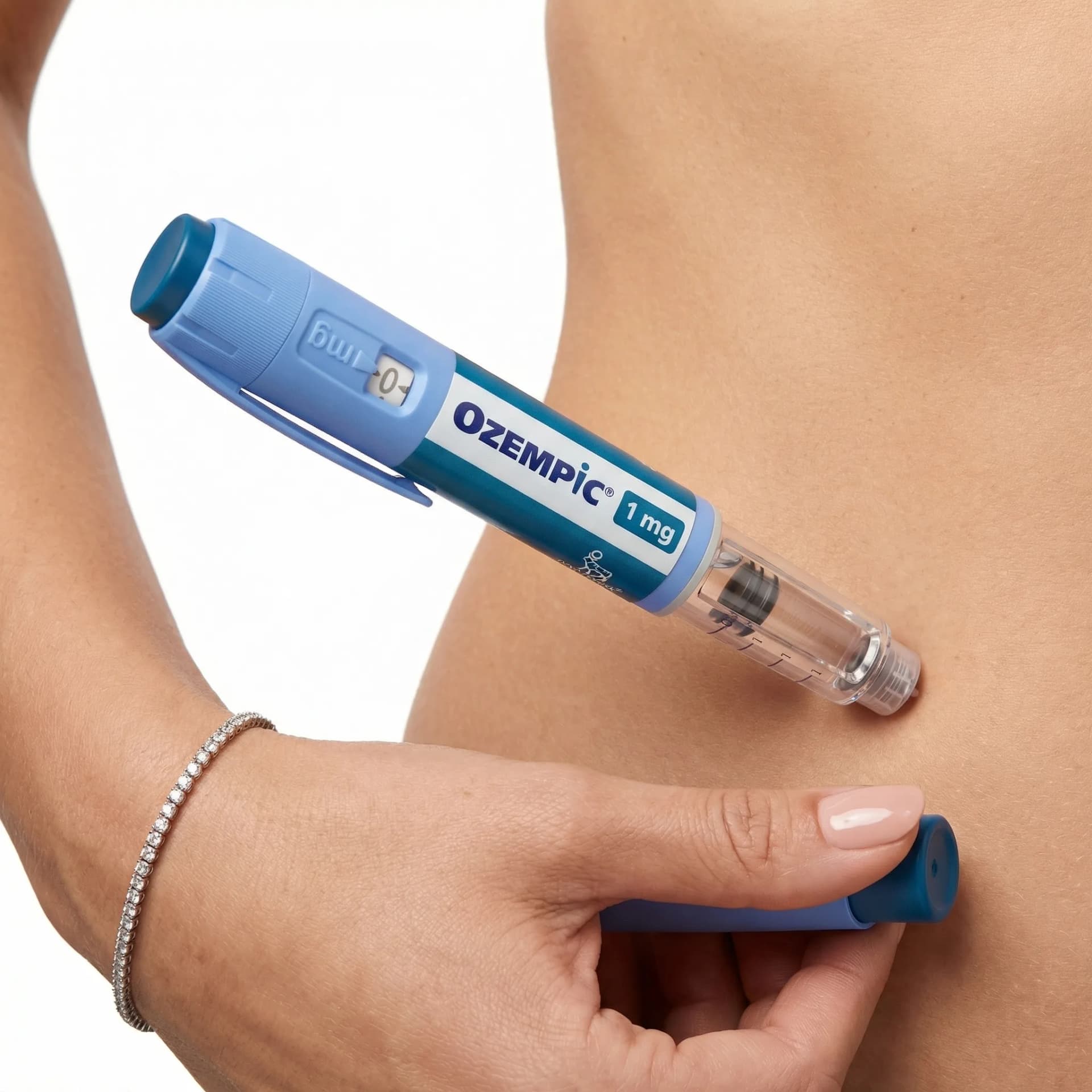
Press the button and hold
Press the injection button all the way in. The dose counter should return to 0. Keep the needle in the skin and slowly count to 6.
Tip: If the counter did not return to 0, the needle may be clogged. Replace the needle and try again.
Remove the needle and dispose
Remove the needle from the skin. A drop at the tip is normal. Put the outer cap back on the needle, unscrew it, and place it in a sharps container. Replace the pen cap.
Tip: Do not store the pen with the needle attached — this may cause leakage or air entry.
When using with insulin: Ozempic and insulin must be given as separate injections. They must not be mixed. They can be injected in the same body area, but the injections should not be adjacent.
Recommended Injection Sites
Rotate injection sites weekly to minimize irritation
Abdomen
The most popular site. Inject at least 5 cm from the navel. Avoid areas around scars and moles.
Thigh
Front of the thigh. Convenient for self-injection. Inject into the middle third of the thigh.
Upper arm
Back of the upper arm. May require assistance from another person. Inject into the soft area at the back.
Important: do not inject into areas with redness, swelling, bruising, or induration. Rotate injection sites weekly.
Storage Ozempic (Ozempic)
Proper storage ensures product effectiveness
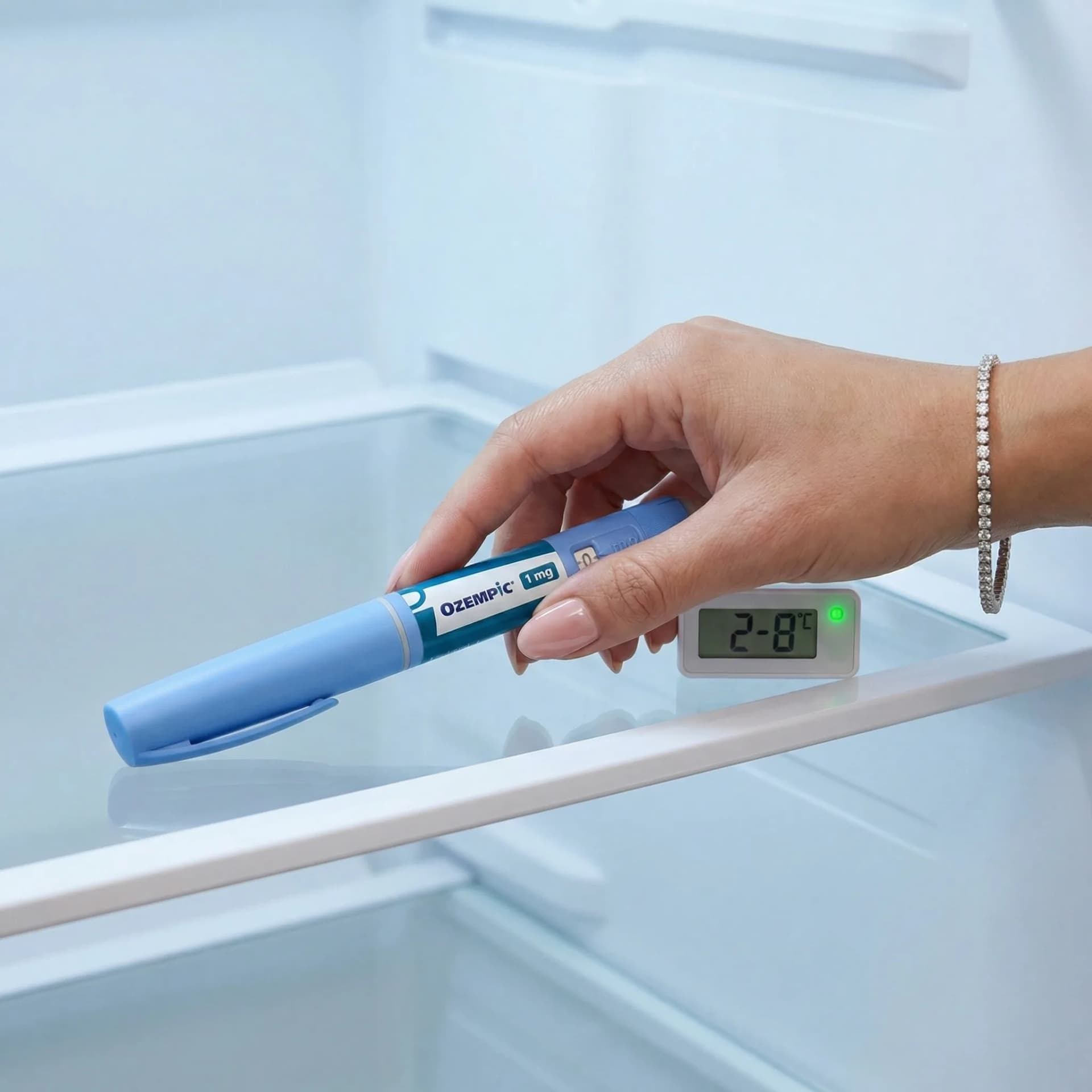
Before first use
- •Store in the refrigerator at 2–8°C
- •Do not freeze. If the pen was frozen — dispose of it
- •Use by the date on the label when stored in the refrigerator
- •Protect from direct sunlight
After first use
- •Store below 30°C or in the refrigerator (2–8°C)
- •Use within 56 days (8 weeks) after first use
- •Always replace the cap to protect from light
- •Do not store with the needle attached
Do not use Ozempic if:
Warnings & Precautions
Important safety information based on the official prescribing information
Risk of Thyroid C-Cell Tumors▼
In rodents, semaglutide caused a dose-dependent increase in the incidence of thyroid C-cell tumors (adenomas and carcinomas) at clinically relevant exposures. It is unknown whether Ozempic causes such tumors in humans. Ozempic is contraindicated in patients with a personal or family history of MTC or with MEN 2 syndrome.
Acute Pancreatitis▼
Acute pancreatitis, including fatal and non-fatal hemorrhagic or necrotizing pancreatitis, has been observed in patients treated with GLP-1 receptor agonists, including semaglutide. After initiation, carefully monitor for signs: persistent or severe abdominal pain (sometimes radiating to the back), which may be accompanied by nausea or vomiting. If pancreatitis is suspected — discontinue Ozempic.
Diabetic Retinopathy Complications▼
In a 2-year trial, complications of diabetic retinopathy occurred more frequently in patients on Ozempic (3.0%) compared to placebo (1.8%). Rapid improvement in glucose control is associated with temporary worsening of diabetic retinopathy. Patients with a history of retinopathy should be monitored.
Never Share the Pen▼
Ozempic pens must never be shared between patients, even if the needle is changed. Sharing pens carries a risk of transmission of blood-borne pathogens.
Hypoglycemia with Concomitant Insulin▼
Patients receiving Ozempic with insulin or sulfonylureas may have an increased risk of hypoglycemia, including severe hypoglycemia. A dose reduction of insulin or sulfonylurea may be required.
Acute Kidney Injury▼
Postmarketing cases of acute kidney injury have been reported, some requiring hemodialysis. Most cases occurred in patients with gastrointestinal reactions (nausea, vomiting, diarrhea) leading to dehydration. Monitor renal function when such reactions occur.
Severe Gastrointestinal Reactions▼
Use of Ozempic is associated with gastrointestinal adverse reactions, sometimes severe. In clinical trials, severe GI reactions occurred in 0.4% (0.5 mg) and 0.8% (1 mg) of patients. Ozempic is not recommended for patients with severe gastroparesis.
Hypersensitivity Reactions▼
Serious hypersensitivity reactions (anaphylaxis, angioedema) have been reported. If a reaction occurs — immediately discontinue Ozempic, treat per standard of care, and monitor until symptoms resolve.
Acute Gallbladder Disease▼
Cholelithiasis was reported in 1.5% and 0.4% of patients on Ozempic 0.5 mg and 1 mg respectively (placebo group — 0%). If cholelithiasis is suspected, gallbladder evaluation is indicated.
Pulmonary Aspiration During Anesthesia▼
Ozempic delays gastric emptying. Rare postmarketing cases of pulmonary aspiration have been reported in patients receiving GLP-1 agonists undergoing elective surgery under general anesthesia. Inform your physician about Ozempic use before any planned surgery.
Side Effects Ozempic (Ozempic)
Clinical trial data (placebo-controlled trials)
Adverse reactions reported in ≥5% of patients
| Adverse Reaction | Placebo (N=262) | 0.5 мг (N=260) | 1 мг (N=261) |
|---|---|---|---|
| Nausea | 6.1% | 15.8% | 20.3% |
| Vomiting | 2.3% | 5.0% | 9.2% |
| Diarrhea | 1.9% | 8.5% | 8.8% |
| Abdominal pain | 4.6% | 7.3% | 5.7% |
| Constipation | 1.5% | 5.0% | 3.1% |
Most cases of nausea, vomiting, and diarrhea occurred during dose escalation. Comparing 1 mg vs 2 mg: GI reactions at 2 mg (34%) vs 1 mg (30.8%).
Other GI reactions (<5%)
Other reported adverse effects
Postmarketing Experience
ileus, intestinal obstruction, severe constipation (incl. fecal impaction)
anaphylaxis, angioedema, rash, urticaria
cholecystitis, cholecystectomy
dysesthesia, headache
acute kidney injury
alopecia (hair loss)
Tips for Better Tolerability
Eat small meals 4–5 times a day instead of 2–3 large ones
Avoid fatty, fried, and heavy foods
Drink 1.5–2 liters of plain water daily
Light physical activity after meals (15-minute walk)
Ginger tea may help with nausea
When to Seek Immediate Medical Help
Drug Interactions
Important information about concomitant use with other medications
Insulin & Sulfonylureas
Ozempic stimulates insulin release when blood glucose is elevated. When taken with insulin or sulfonylureas, the risk of hypoglycemia increases, including severe hypoglycemia.
Recommendation: consider reducing the dose of insulin or sulfonylurea when starting Ozempic.
Oral Medications
Ozempic delays gastric emptying, which may potentially affect the absorption of concomitant oral medications.
In clinical pharmacology studies, semaglutide did not affect the absorption of oral medications to a clinically significant degree. However, caution should be exercised.
Tip: inform your specialist about all medications you are taking.
Use in Special Populations
Pregnancy, lactation, pediatric, elderly, and patients with renal/hepatic impairment
Pregnancy
Data are limited. Animal studies have shown risks to the fetus. Discontinue Ozempic at least 2 months before a planned pregnancy due to the long washout period of semaglutide.
Breastfeeding
There are no data on the presence of semaglutide in human breast milk. In rats, semaglutide was detected in milk at concentrations 3–12 times lower than plasma. Weigh the risks and benefits with your physician.
Pediatric
Safety and efficacy of Ozempic in pediatric patients have not been established.
Elderly Patients (≥65 years)
In clinical trials, 23.6% of patients on Ozempic were ≥65 years. No overall differences in safety or efficacy were observed, but greater sensitivity of some elderly patients cannot be excluded.
Renal Impairment
No dose adjustment is required. In patients with renal impairment of varying severity (including end-stage), no clinically significant changes in semaglutide pharmacokinetics were observed.
Hepatic Impairment
No dose adjustment is required. In studies with various degrees of hepatic impairment, no clinically significant changes in semaglutide pharmacokinetics were observed.
Overdose
In case of overdose, appropriate supportive treatment should be initiated based on the patient's clinical signs and symptoms.
A prolonged period of observation and treatment of these symptoms may be needed, taking into account the long half-life of Ozempic — approximately 1 week.
Mechanism of Action Ozempic (Ozempic)
How semaglutide works in the body
GLP-1 Analog
Semaglutide is a GLP-1 analog with 94% homology to human GLP-1. It selectively binds to and activates GLP-1 receptors. The primary mechanism of prolonged action is albumin binding, which reduces renal clearance and protects against metabolic degradation. Additionally stabilized against the DPP-4 enzyme.
Glucose Lowering
Semaglutide lowers blood glucose through glucose-dependent stimulation of insulin secretion and suppression of glucagon secretion. When glucose is high — insulin is stimulated, glucagon is suppressed. It also mildly delays gastric emptying in the early postprandial period.
Pharmacokinetics
Clinical Studies
Evidence base for Ozempic efficacy
SUSTAIN
7 glycemic control trials
A program of 7 clinical trials in adults with T2DM. Ozempic demonstrated significant reductions in HbA1c and body weight compared to placebo and active comparators.
SUSTAIN 6
Cardiovascular outcomes
A 2-year trial in patients with T2DM and high cardiovascular risk. Ozempic reduced the risk of major adverse cardiovascular events (MACE) compared to placebo.
FLOW
Renal outcomes
A trial in patients with T2DM and chronic kidney disease. Ozempic reduced the risk of sustained eGFR decline, end-stage kidney disease, and cardiovascular death.
Ready to start?
Start your program with Ozempic (Ozempic)
A DOZA specialist will select the optimal Ozempic dose, create an individualized program, and support you at every step.
Frequently Asked Questions About Ozempic
Ozempic is administered once weekly, subcutaneously, on any convenient day of the week. It is best to choose the same day each week. The injection can be given regardless of meals.
DOZA Specialist
See also
Ozempic
What is Ozempic, how it works, results
Ozempic Catalog
Ozempic Catalog — all dosages
Ozempic Price in Ukraine
Ozempic cost 2026 — dosage comparison
Ozempic Results
Real reviews and before/after photos
Mounjaro vs Ozempic
Tirzepatide vs semaglutide comparison
Mounjaro Instructions
How to use Mounjaro KwikPen
Ozempic clicks calculator
How many FlexTouch clicks for your dose
This instruction is based on the official prescribing information for Ozempic® (Novo Nordisk, revision 10/2025) and is for informational purposes only. It does not replace a specialist consultation. Always follow your DOZA specialist's recommendations before starting and during use. Ozempic® and FlexTouch® are registered trademarks of Novo Nordisk A/S.